Tunnels, saints, shelters
In the cool silence beneath Naples, centuries meet.
Table of Contents
Origins: quarries and waterworks
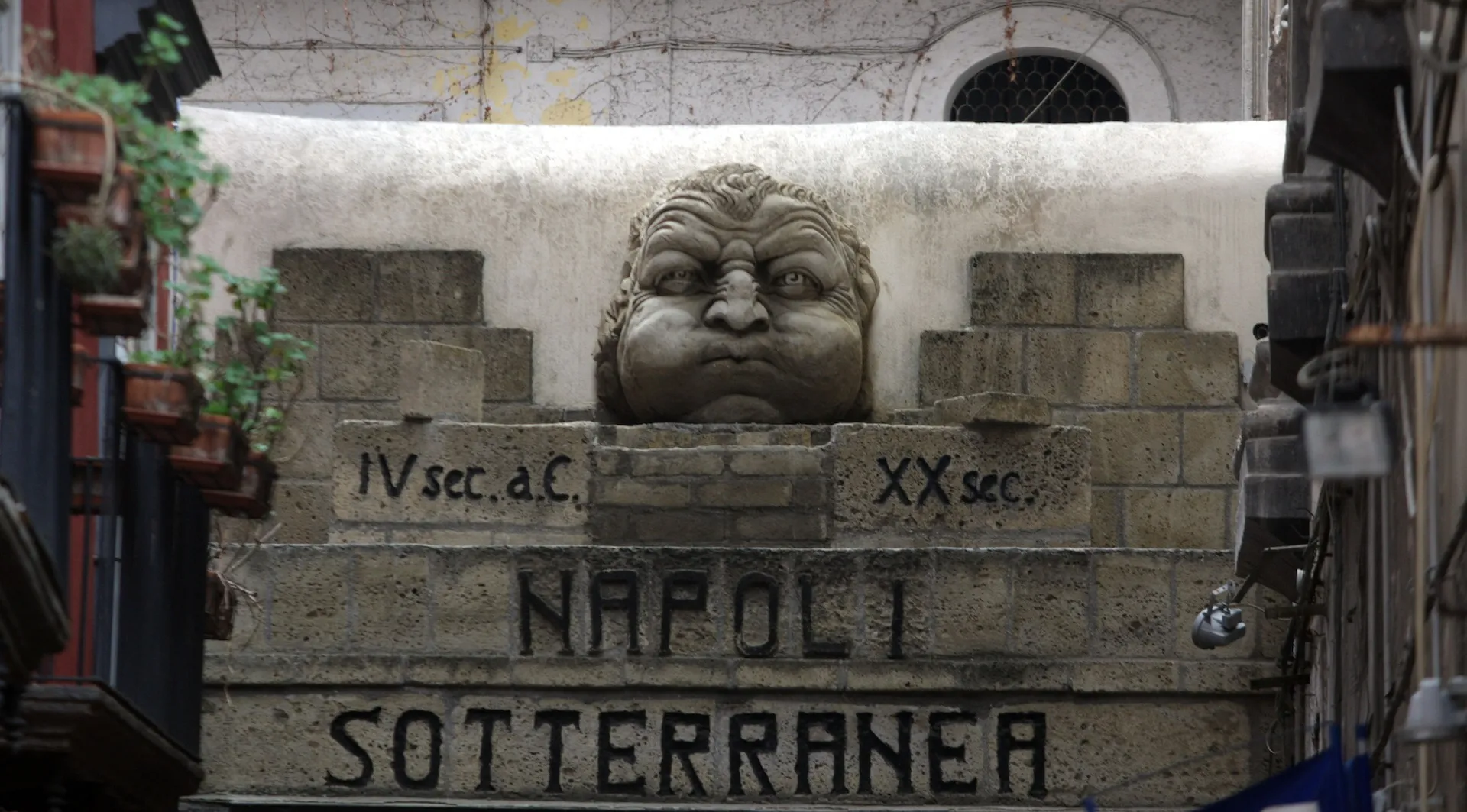
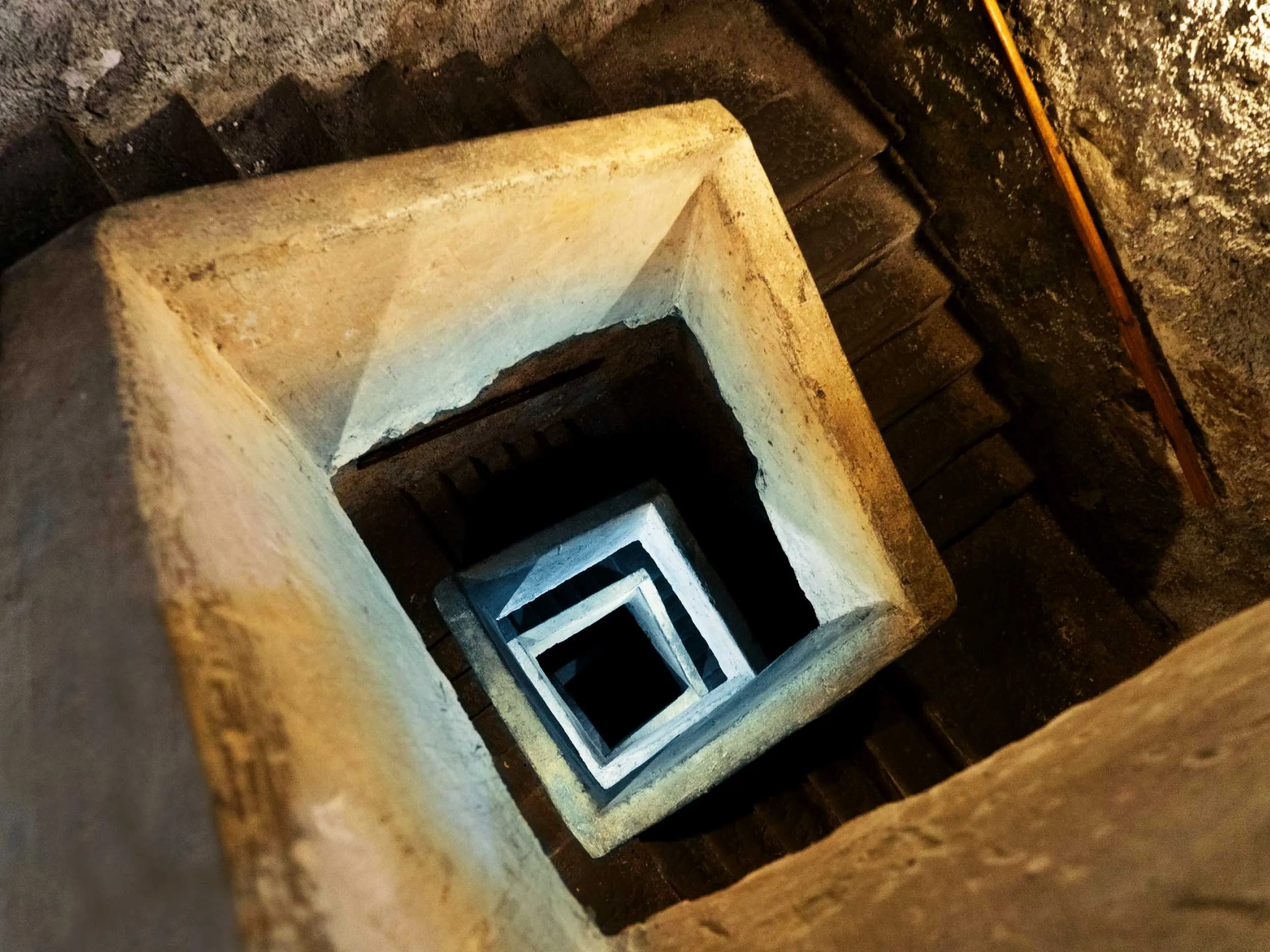
The underground story begins with stone. Golden‑toned tuff underpins Naples; mined galleries were gradually adapted to carry water through stairways and vertical shafts known as ‘pozzari’, supplying fountains and kitchens above.
Over centuries mines evolved into a maze of cisterns and maintenance corridors. Underground spaces adapted — channels were widened, walls plastered to keep water clean, and craftsmen navigated by memory and light. Utility became infrastructure and infrastructure acquired a poetry: echoes, dripping, cool air and the soft pulse of the city overhead.
Early‑Christian Naples and the catacombs
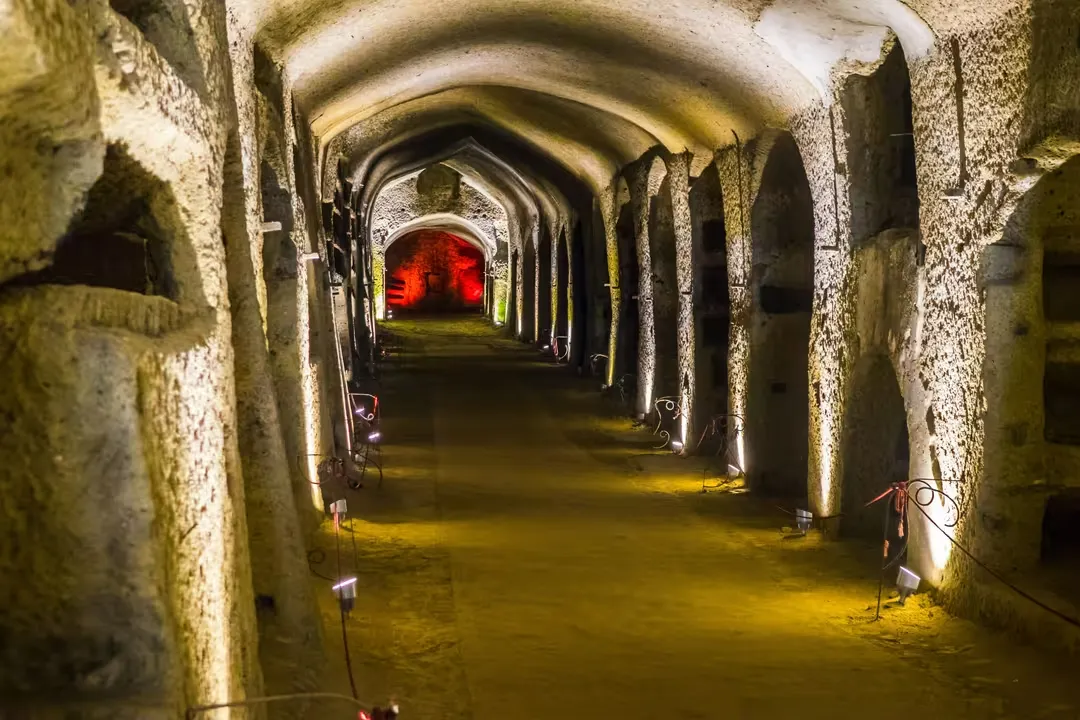
In late antiquity faith and memory shaped the subsoil. Catacombs carved into tuff beneath churches formed quiet galleries lined with burial niches and vaulted chambers — simple resting places and pictorial stories of hope and care.
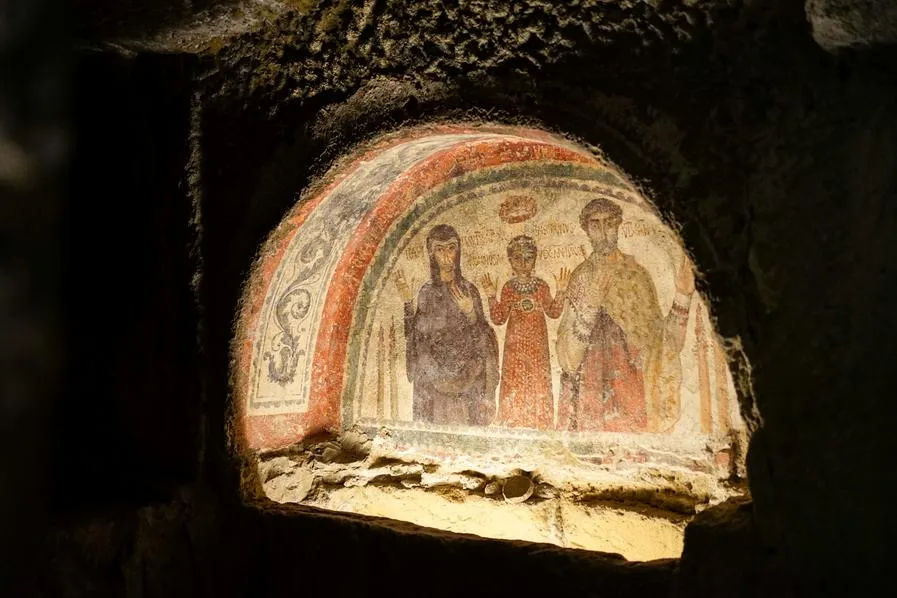
The art here is gentle and lucid — welcoming frescoes, hands raised in blessing, fish and vine motifs, angelic tones that ease the weight of stone. There is no gloom or grandiosity, only the intimacy of community. Walking here is to feel the city’s early heartbeat — shared life on shared ground.
Bourbon engineering and secret routes
The 19th century added a new chapter: measured passages linking barracks, palaces and strategic points. The Galleria Borbonica — strong, vaulted, pragmatic — served as escape routes and subterranean arteries through the rock.
Design follows underground logic: stone ‘veins’, gentle gradients and secure drainage. Today these routes feel both adventurous and ordered — carefully laid brickwork and small surprises: niches, closed rooms and traces of old signage.
Water, cisterns and daily life
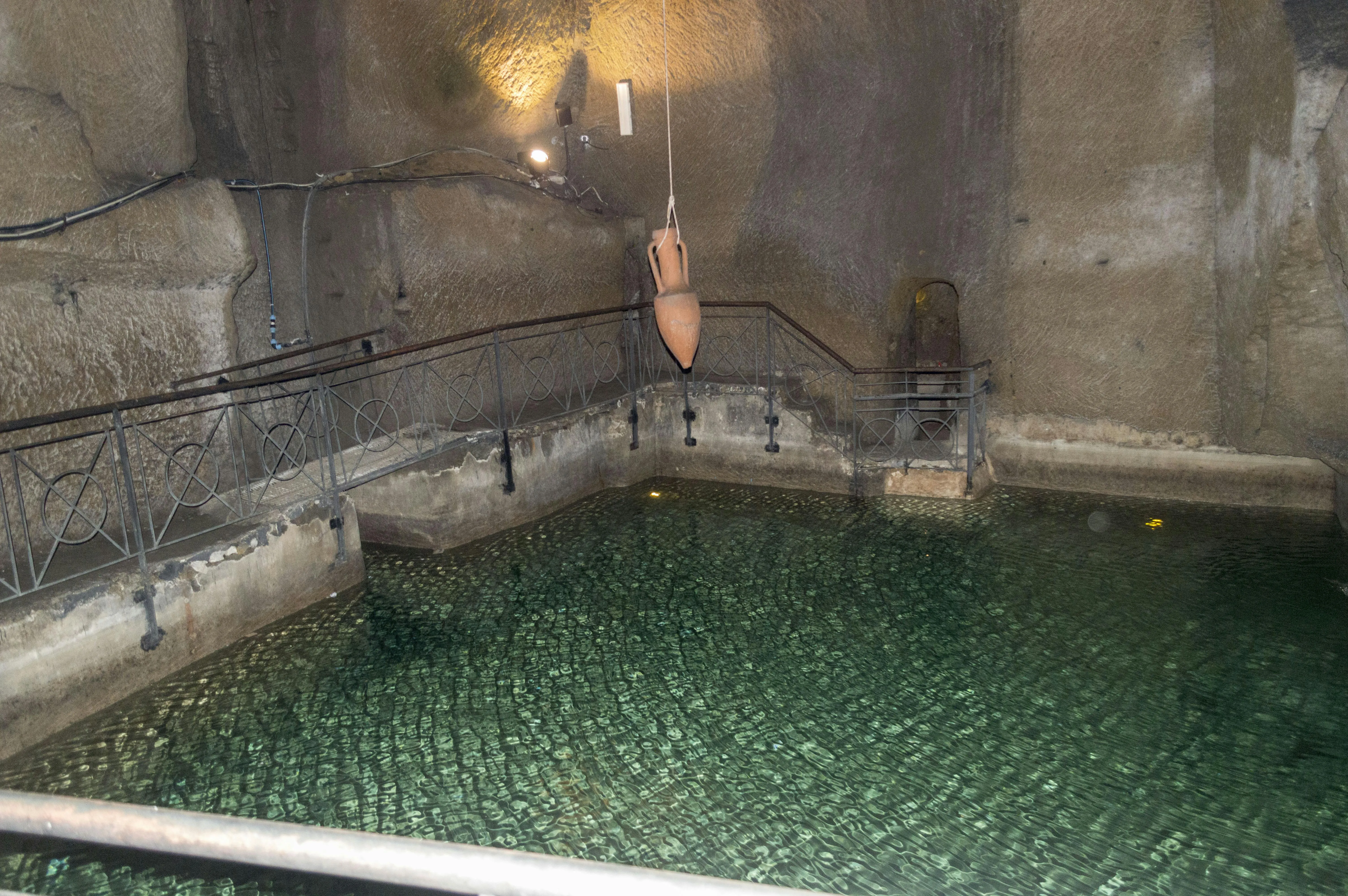
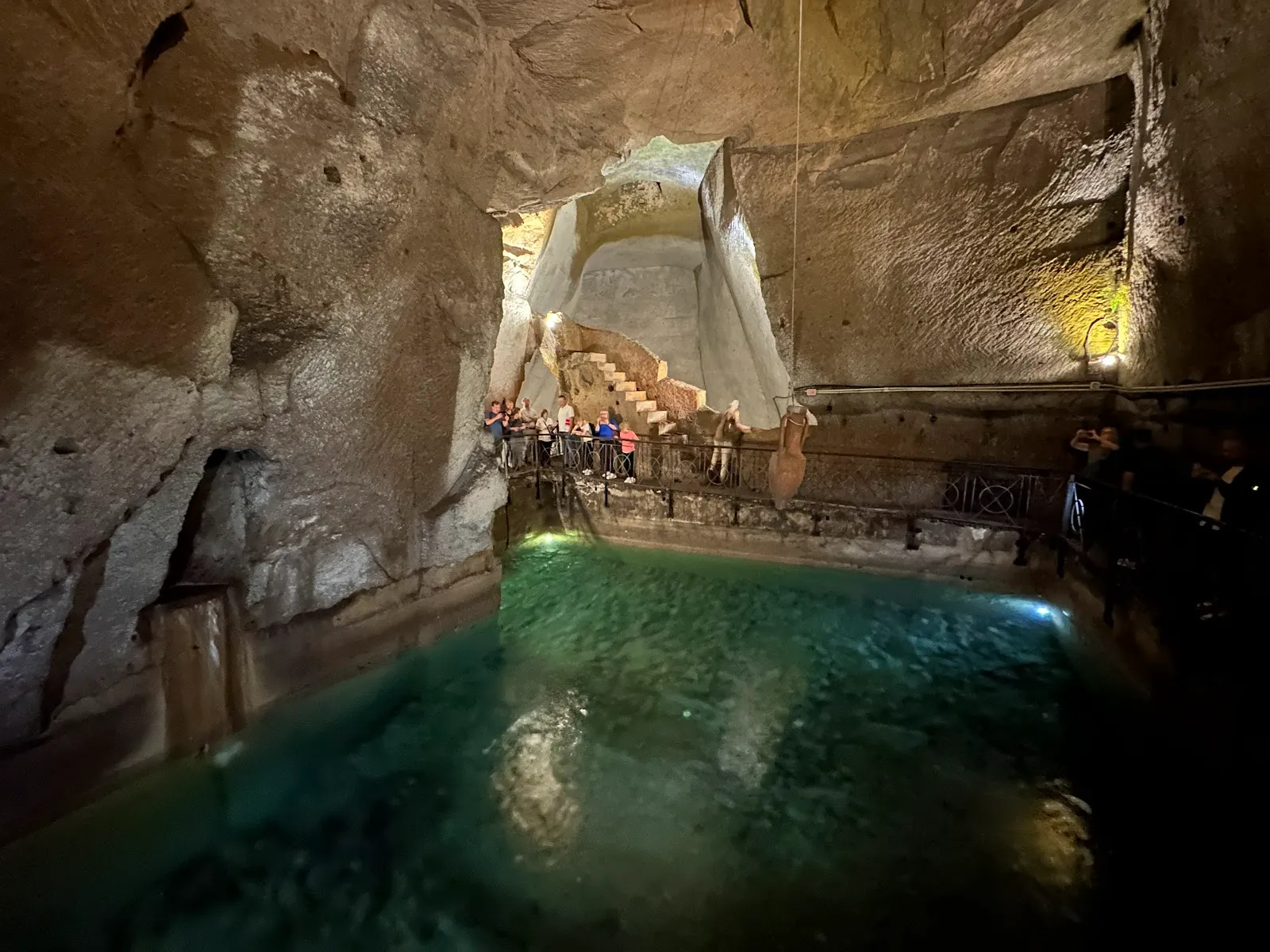
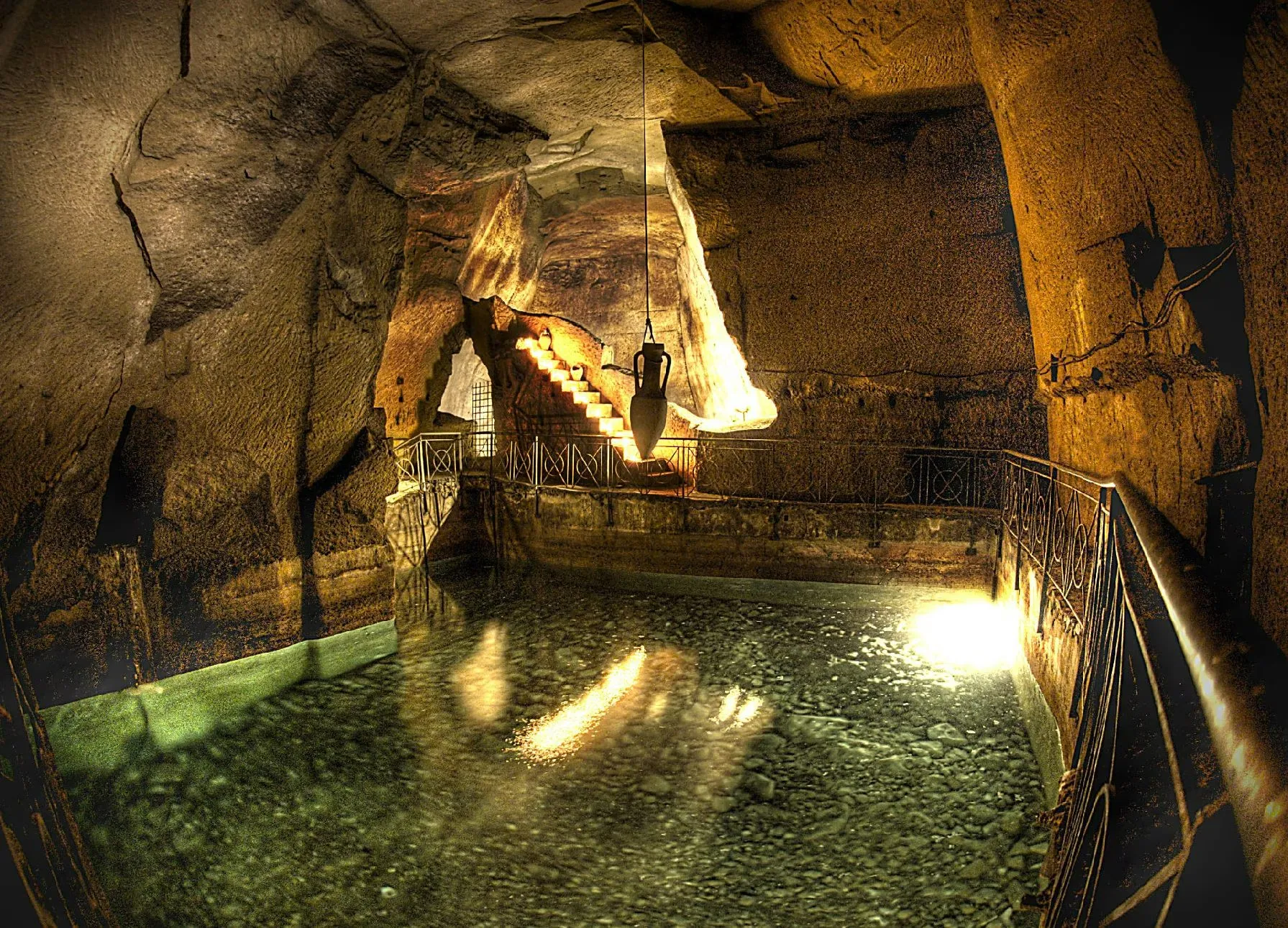
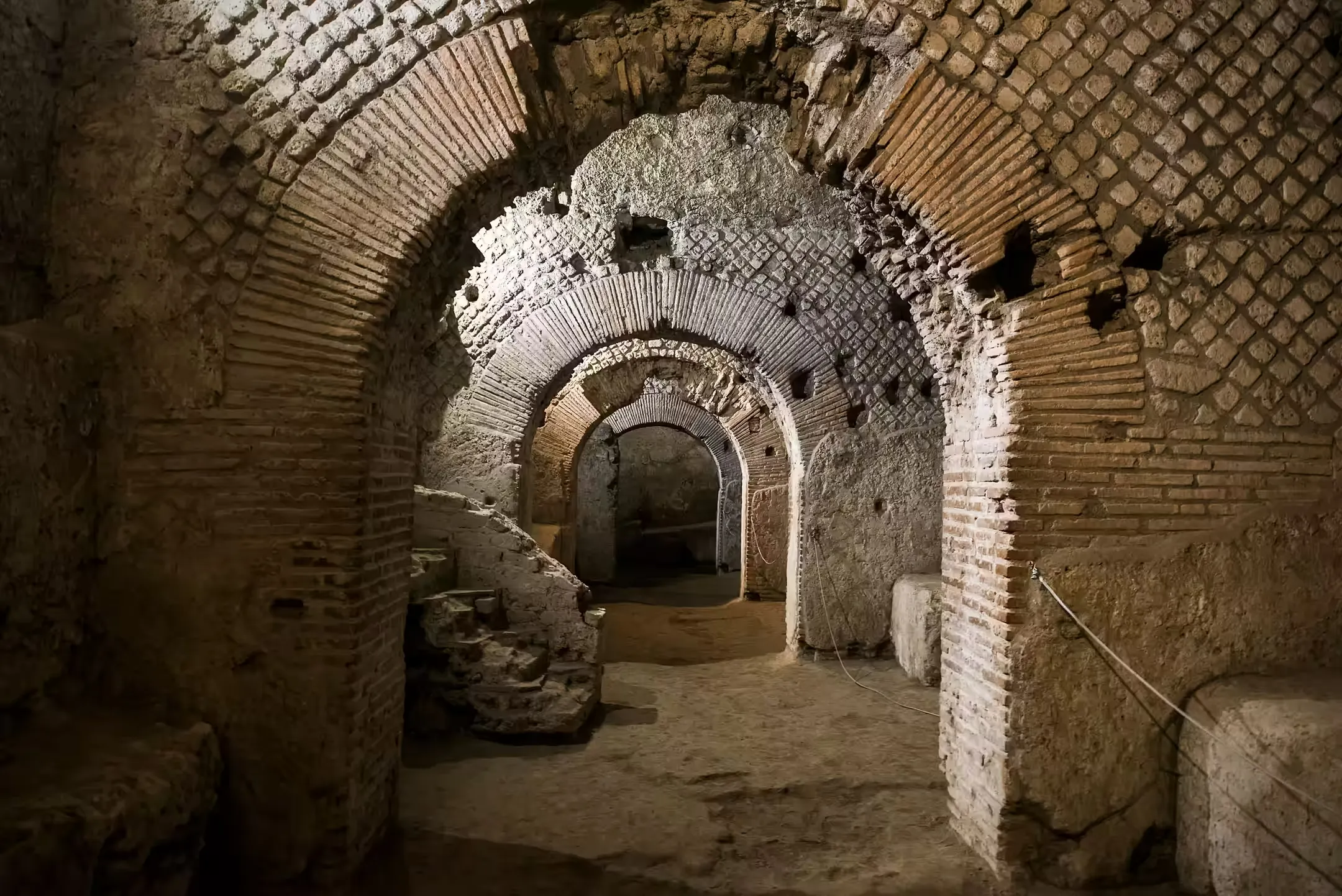
Beneath houses water was collected in cisterns; plastered walls kept it clean. Vertical shafts and stairs allowed caretakers to monitor levels, repair leaks and oversee the invisible system the city relied on.
Across centuries water meant resilience. Here function and beauty walk together — balanced arches, plaster like a quiet promise and stones placed almost musically.
Wartime shelters: memories underground
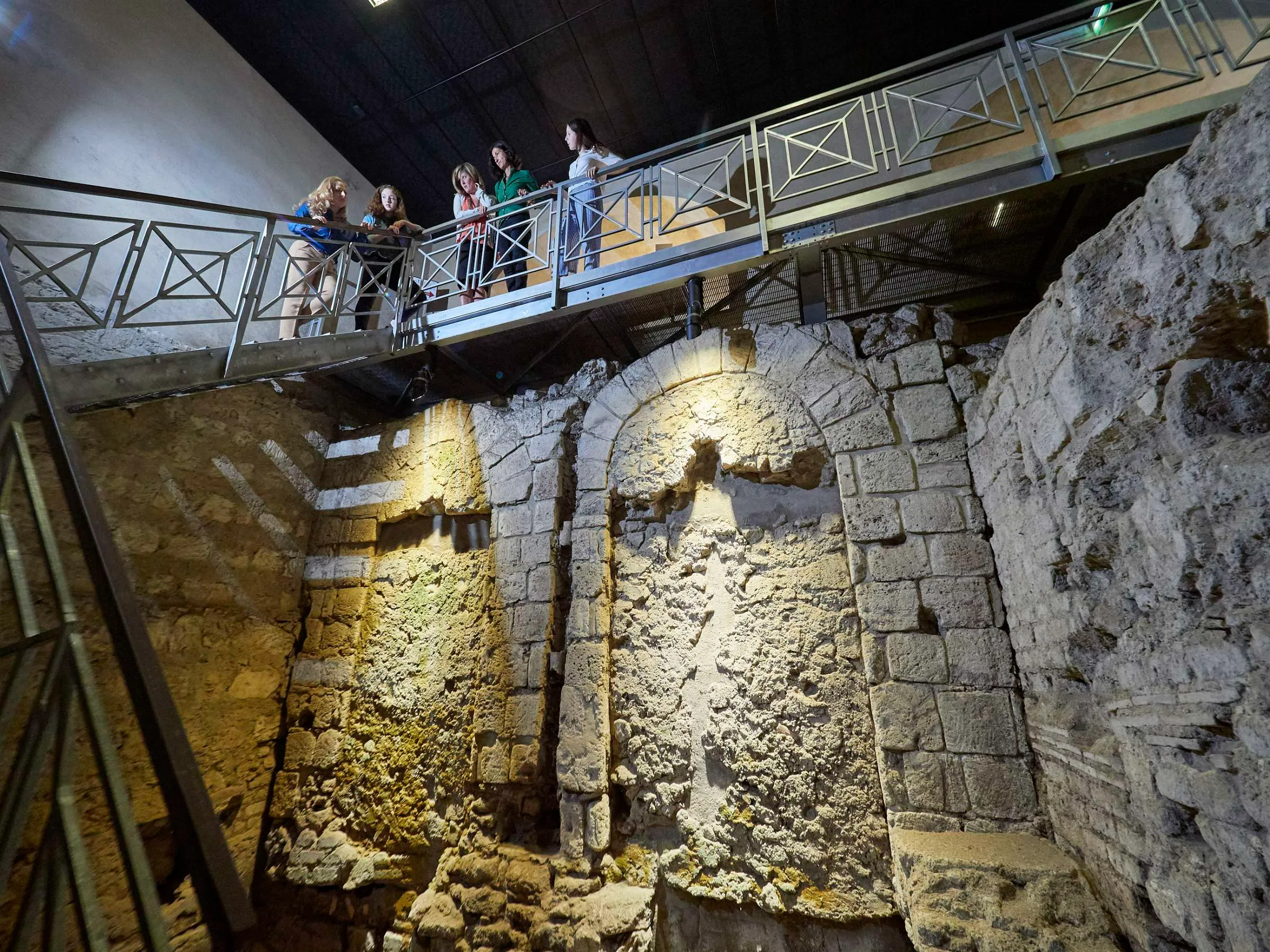
In the 20th century these spaces became shelters. When sirens sounded families descended; rooms with benches and markings provided steady cool air and consolation.
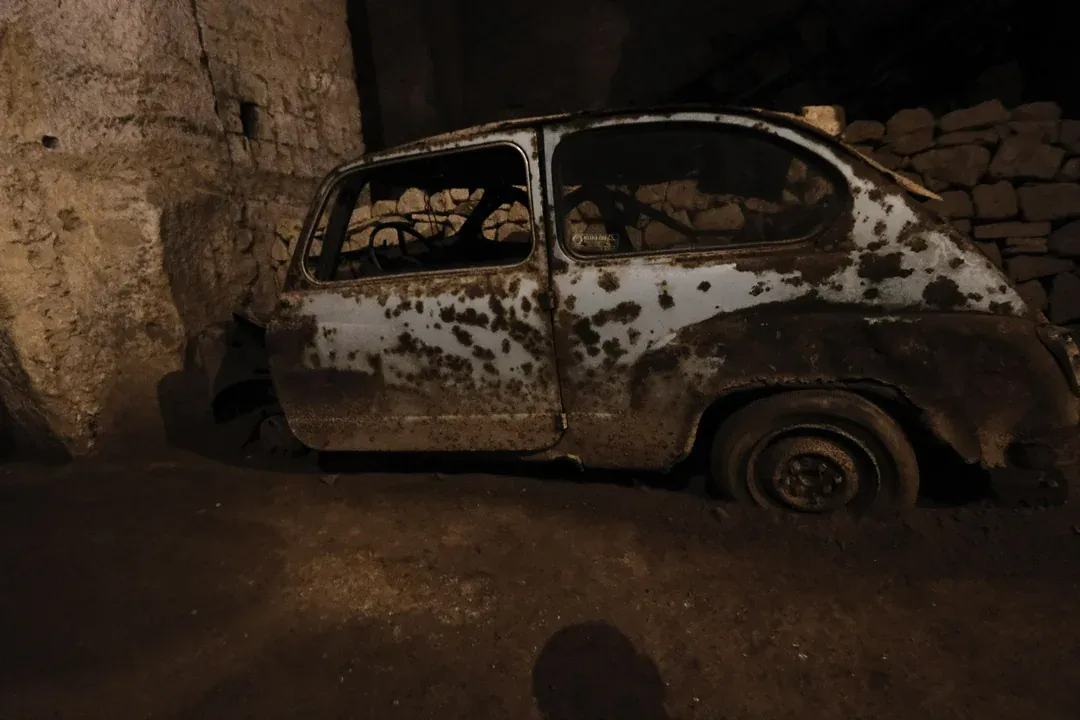
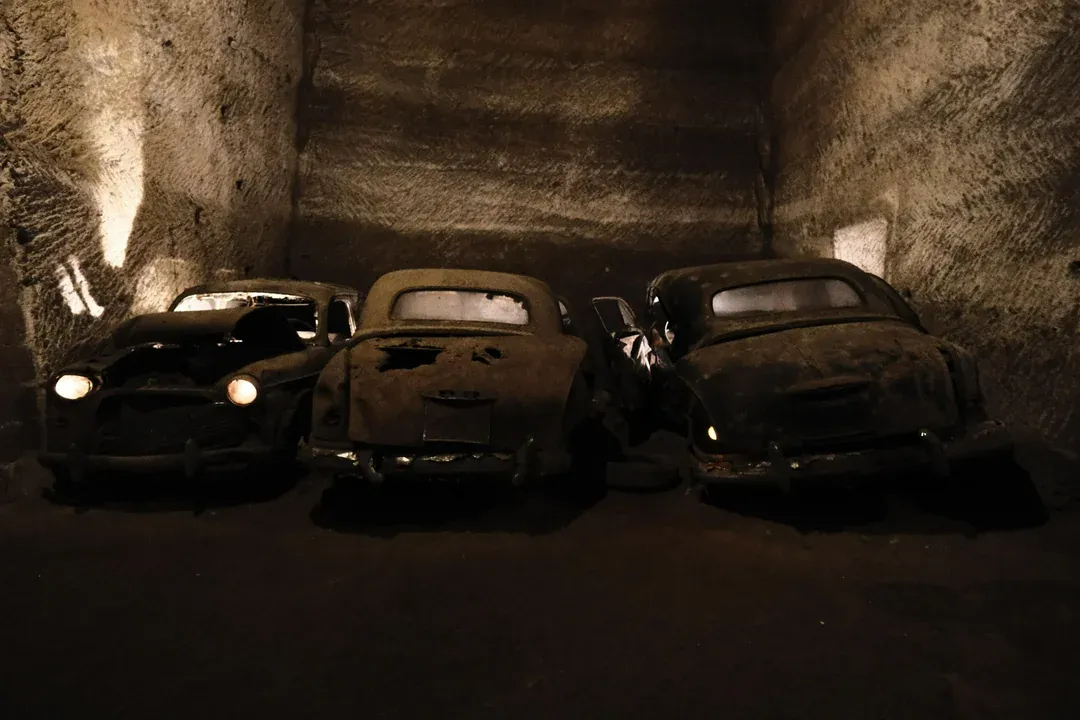
Traces remain — torn posters, lamps and everyday items in corners — speaking softly but insistently of endurance: how people turned infrastructure into refuge.
Underground art: frescoes and icons
Catacombs preserve intimate beauty — restrained figures, soft palettes and clear symbols rather than spectacle. In low light colors deepen and lines invite contemplation.
Iconography is a language: vine as life, fish as faith, hand as blessing. No expertise required — slow down and look closely.
Entrances, routes and neighborhoods
Napoli Sotterranea tours typically start near Piazza San Gaetano in the Old Town. The San Gennaro / San Gaudioso catacombs sit in Rione Sanità; Materdei provides easy access. The Bourbon tunnel runs under the Plebiscito area and has several prominent entrances.
Each route has its own pace — stairs and gentle ramps, short stops before frescoes and moments in wide cistern chambers where sound returns as a soft echo. Guides adjust the rhythm for comfort and understanding.
Safety, comfort and access
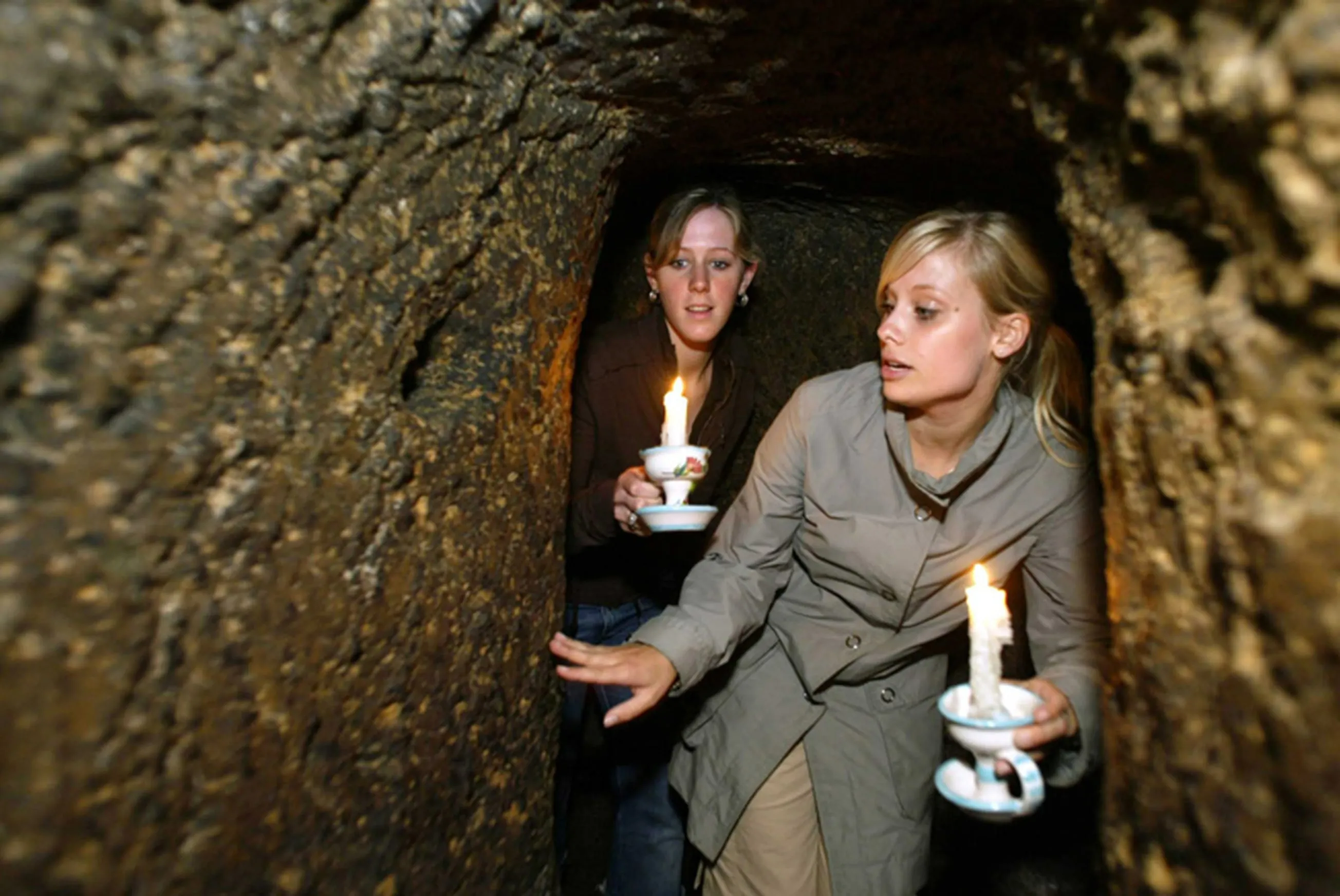
Tours are guided and safety‑checked. Expect cool air, stairs and some narrow passages. Alternatives for reduced mobility may exist — please enquire in advance.
Wear closed shoes and a light jacket; watch for low ceilings and changing floors. Flash photography may be restricted to protect frescoes.
Guiding, research and conservation
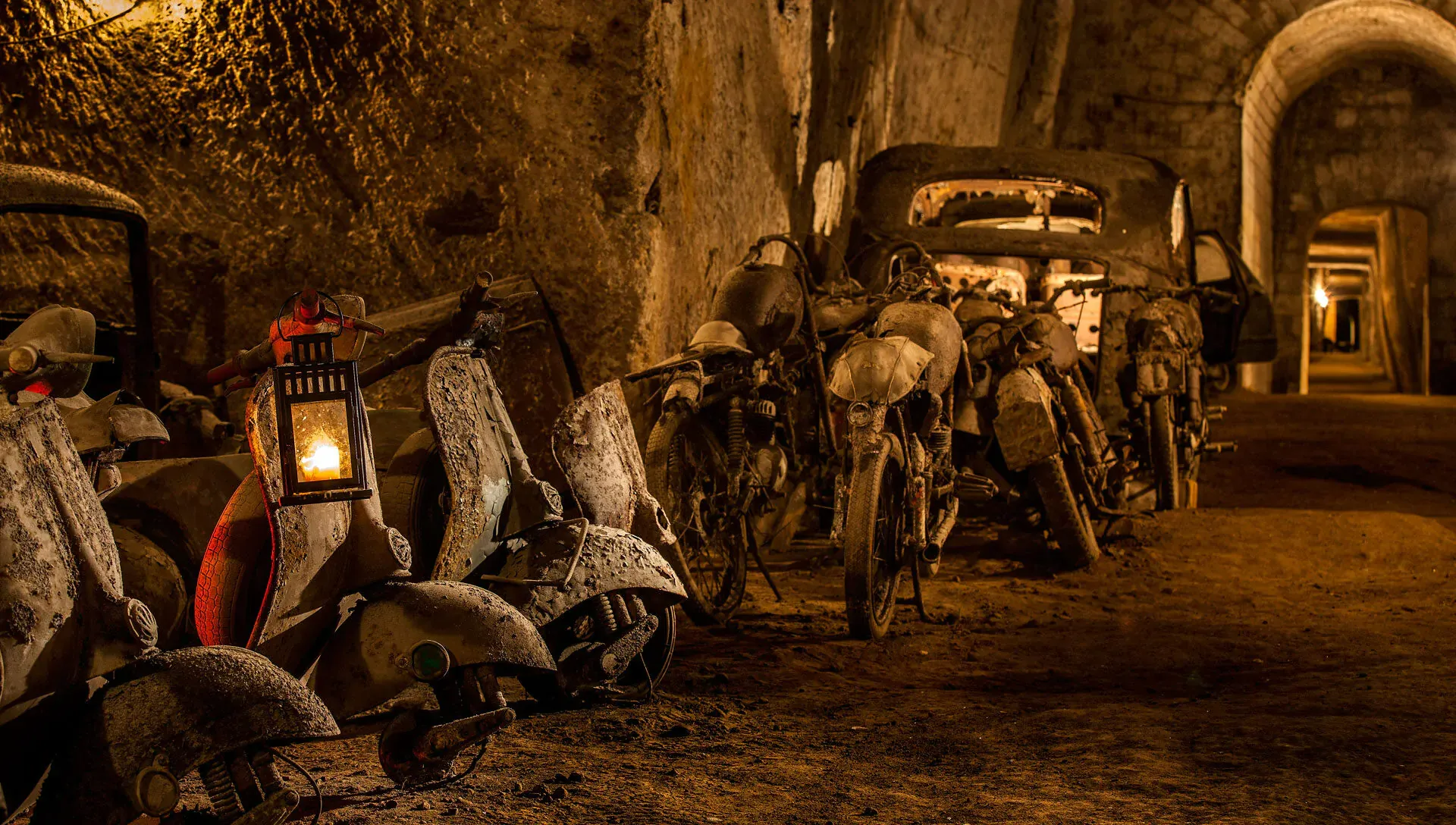
Many areas are cared for by dedicated teams — church communities, historians and technicians. Conservation balances access and care, stabilizing frescoes, plaster and stone.
Research continues: mapping old vertical shafts, studying pigments and recording wartime adaptations. Every tour benefits from this quiet almost‑invisible work.
Tickets, passes and tours
Book guided entry online — choose language, duration and combined routes.
Passes may link catacombs; separate tickets cover Napoli Sotterranea and the Bourbon tunnel. Check options and availability.
Ethics and respectful visiting
Catacombs are places of memory and faith. Speak softly, dress respectfully and follow instructions near burial niches and small chapels.
Do not leave traces; the underground is fragile — frescoes, plaster and stone endure with low impact and attentive visitors.
Nearby churches and viewpoints
Above ground we recommend the basilica dell’Incoronata Madre del Buon Consiglio and the National Archaeological Museum. Rione Sanità’s bridges offer striking views over streets and courtyards.
Around Plebiscito pair palaces and galleries before or after the Bourbon tunnel — Naples above and below in conversation.
Why these places matter
Naples Underground is a second city — functional, spiritual and resilient. It carried water, kept memory and provided refuge. Walking here meets Naples’ ingenuity and gentleness in stone.
Cities are layered — the more we understand below, the more we love what’s above. 😊
Table of Contents
Origins: quarries and waterworks
The underground story begins with stone. Golden‑toned tuff underpins Naples; mined galleries were gradually adapted to carry water through stairways and vertical shafts known as ‘pozzari’, supplying fountains and kitchens above.
Over centuries mines evolved into a maze of cisterns and maintenance corridors. Underground spaces adapted — channels were widened, walls plastered to keep water clean, and craftsmen navigated by memory and light. Utility became infrastructure and infrastructure acquired a poetry: echoes, dripping, cool air and the soft pulse of the city overhead.
Early‑Christian Naples and the catacombs
In late antiquity faith and memory shaped the subsoil. Catacombs carved into tuff beneath churches formed quiet galleries lined with burial niches and vaulted chambers — simple resting places and pictorial stories of hope and care.
The art here is gentle and lucid — welcoming frescoes, hands raised in blessing, fish and vine motifs, angelic tones that ease the weight of stone. There is no gloom or grandiosity, only the intimacy of community. Walking here is to feel the city’s early heartbeat — shared life on shared ground.
Bourbon engineering and secret routes
The 19th century added a new chapter: measured passages linking barracks, palaces and strategic points. The Galleria Borbonica — strong, vaulted, pragmatic — served as escape routes and subterranean arteries through the rock.
Design follows underground logic: stone ‘veins’, gentle gradients and secure drainage. Today these routes feel both adventurous and ordered — carefully laid brickwork and small surprises: niches, closed rooms and traces of old signage.
Water, cisterns and daily life
Beneath houses water was collected in cisterns; plastered walls kept it clean. Vertical shafts and stairs allowed caretakers to monitor levels, repair leaks and oversee the invisible system the city relied on.
Across centuries water meant resilience. Here function and beauty walk together — balanced arches, plaster like a quiet promise and stones placed almost musically.
Wartime shelters: memories underground
In the 20th century these spaces became shelters. When sirens sounded families descended; rooms with benches and markings provided steady cool air and consolation.
Traces remain — torn posters, lamps and everyday items in corners — speaking softly but insistently of endurance: how people turned infrastructure into refuge.
Underground art: frescoes and icons
Catacombs preserve intimate beauty — restrained figures, soft palettes and clear symbols rather than spectacle. In low light colors deepen and lines invite contemplation.
Iconography is a language: vine as life, fish as faith, hand as blessing. No expertise required — slow down and look closely.
Entrances, routes and neighborhoods
Napoli Sotterranea tours typically start near Piazza San Gaetano in the Old Town. The San Gennaro / San Gaudioso catacombs sit in Rione Sanità; Materdei provides easy access. The Bourbon tunnel runs under the Plebiscito area and has several prominent entrances.
Each route has its own pace — stairs and gentle ramps, short stops before frescoes and moments in wide cistern chambers where sound returns as a soft echo. Guides adjust the rhythm for comfort and understanding.
Safety, comfort and access
Tours are guided and safety‑checked. Expect cool air, stairs and some narrow passages. Alternatives for reduced mobility may exist — please enquire in advance.
Wear closed shoes and a light jacket; watch for low ceilings and changing floors. Flash photography may be restricted to protect frescoes.
Guiding, research and conservation
Many areas are cared for by dedicated teams — church communities, historians and technicians. Conservation balances access and care, stabilizing frescoes, plaster and stone.
Research continues: mapping old vertical shafts, studying pigments and recording wartime adaptations. Every tour benefits from this quiet almost‑invisible work.
Tickets, passes and tours
Book guided entry online — choose language, duration and combined routes.
Passes may link catacombs; separate tickets cover Napoli Sotterranea and the Bourbon tunnel. Check options and availability.
Ethics and respectful visiting
Catacombs are places of memory and faith. Speak softly, dress respectfully and follow instructions near burial niches and small chapels.
Do not leave traces; the underground is fragile — frescoes, plaster and stone endure with low impact and attentive visitors.
Nearby churches and viewpoints
Above ground we recommend the basilica dell’Incoronata Madre del Buon Consiglio and the National Archaeological Museum. Rione Sanità’s bridges offer striking views over streets and courtyards.
Around Plebiscito pair palaces and galleries before or after the Bourbon tunnel — Naples above and below in conversation.
Why these places matter
Naples Underground is a second city — functional, spiritual and resilient. It carried water, kept memory and provided refuge. Walking here meets Naples’ ingenuity and gentleness in stone.
Cities are layered — the more we understand below, the more we love what’s above. 😊